Reasons to Tune Up Your Lawn Mower
- A properly maintained lawn mower cuts better and works efficiently.
- A dull blade can tear grass, which leads to diseases.
- A well-maintained mower will perform better in the long term.
Before You Begin Your Tune‑Up
- Wear work gloves and eye protection when using power tools.
- Always follow directions from the manufacturer.
- Get all the parts you need before starting this repair. Some mower brands offer a comprehensive tune-up kit that includes everything you need.
- Visit your local Ace for advice if you have questions.
How to Tune Up Your Lawn Mower
Step 1 Change the Spark Plug
Begin by firmly grasping the cap/spark plug boot and pulling it off the end of the spark plug. Use a spark plug wrench or a spark plug socket and ratchet to remove the spark plug. Remember “righty tighty, lefty loosey” – turn the wrench counterclockwise to loosen and remove the spark plug. You can use the number on the spark plug and the model of your mower to cross-reference and find the correct replacement spark plug. Typically, plugs are pre-gapped. Make sure the electrode is not touching. Thread the new plug into the hole by hand, being careful not to cross the threads. Tighten to the manufacturer’s spec. Once the plug bottoms out, usually a quarter turn with a wrench is enough to tighten it down.

PRO TIP
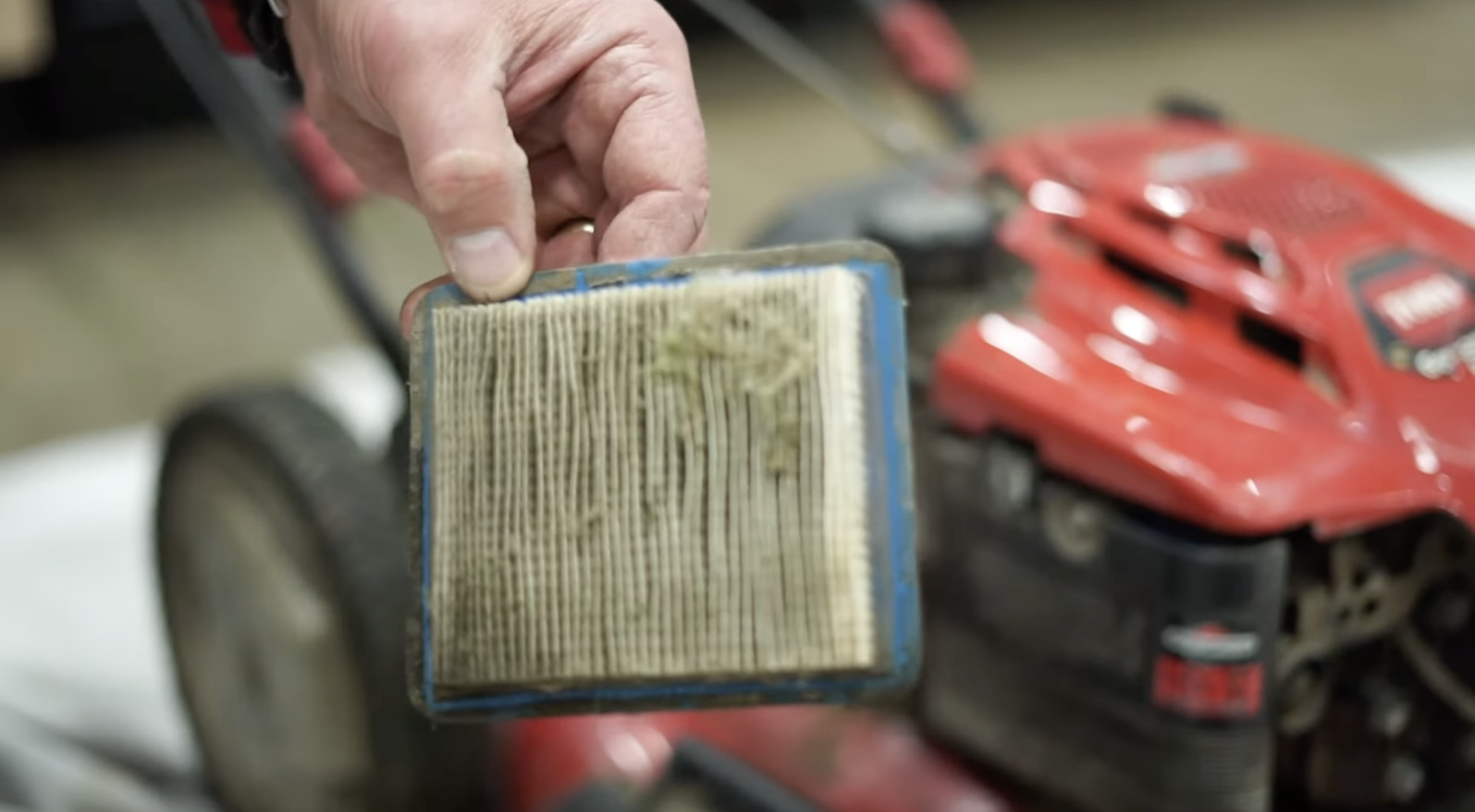
Step 2 Change the Mower Air Filter
The air filter on most mowers is a plastic box located right next to the carburetor. There is usually a lid, which might either snap on or be attached with a wing nut or fixing screw. Check the mower owner’s manual for details if you are unsure. Once the cover is off, you can replace the air filter with a new one and reinstall the cover.
PRO TIP
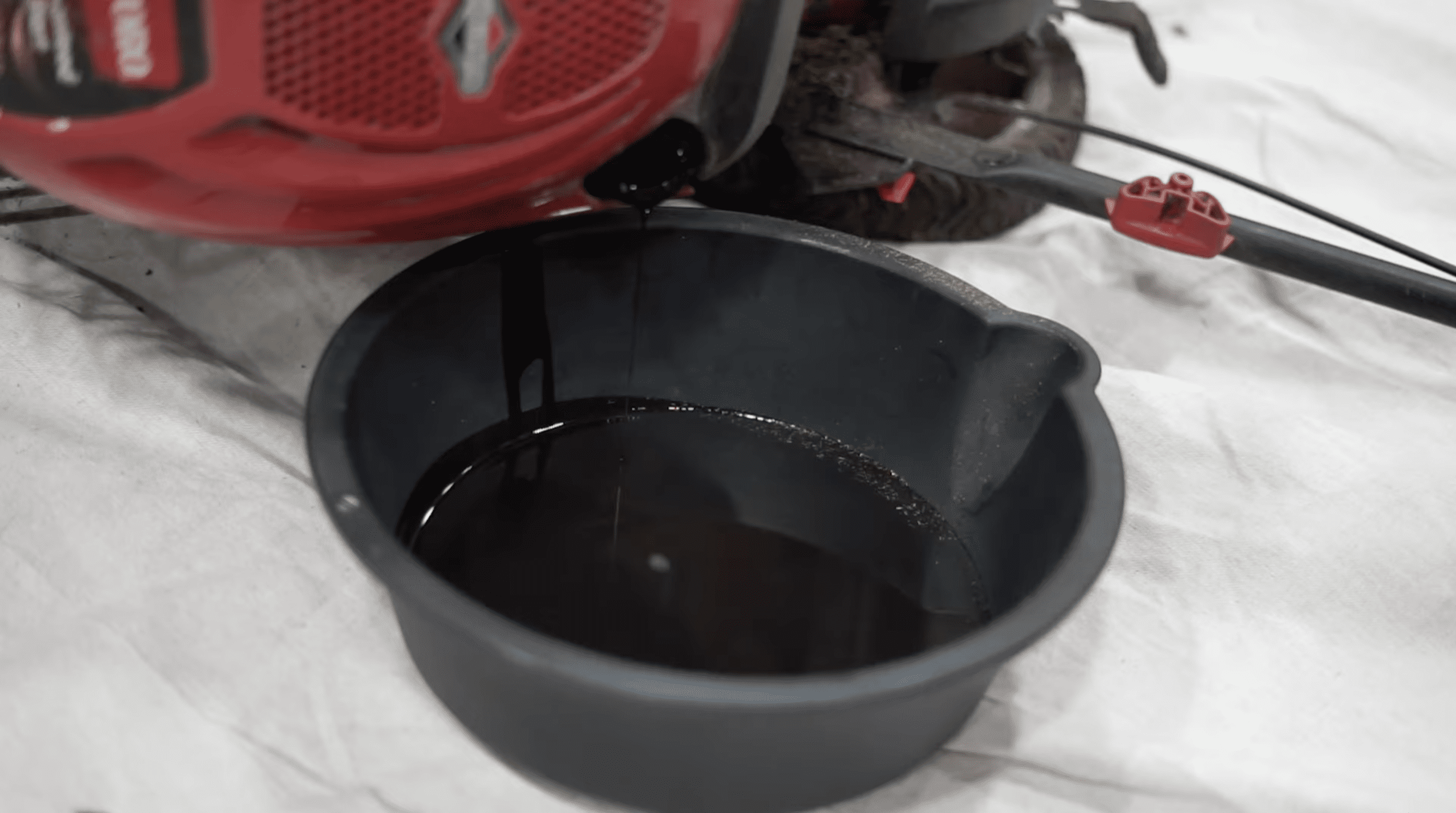
Step 3 Change the Oil
Extracting the old oil from a mower depends on the design. Some mowers have an oil drain bung that is located either on the side of the engine or underneath the motor near the blade. Other mowers require you to remove the oil cap and tip the mower over to drain the oil. If the motor has glitter or metal shavings visible in it, it could be a sign of larger problems with the engine. Refill the oil with the manufacturer’s suggested oil spec. Note whether it is a 2-cycle or 4-cycle engine. Use the dipstick to make sure the oil is at the correct level, being careful not to overfill.
PRO TIP
Step 4 Sharpen or Replace the Blade
Place the mower on its side (remember to drain the gas!) to access the blade. Use a wrench or a socket to remove the nut or bolt that secures the blade to the engine. You can then remove the blade and either sharpen it or replace it. Make sure to place the blade in the correct orientation when you put it back onto the motor. Tighten the fixing nut or bolt to the proper manufacturer’s suggested torque spec.