
IN THIS ARTICLE
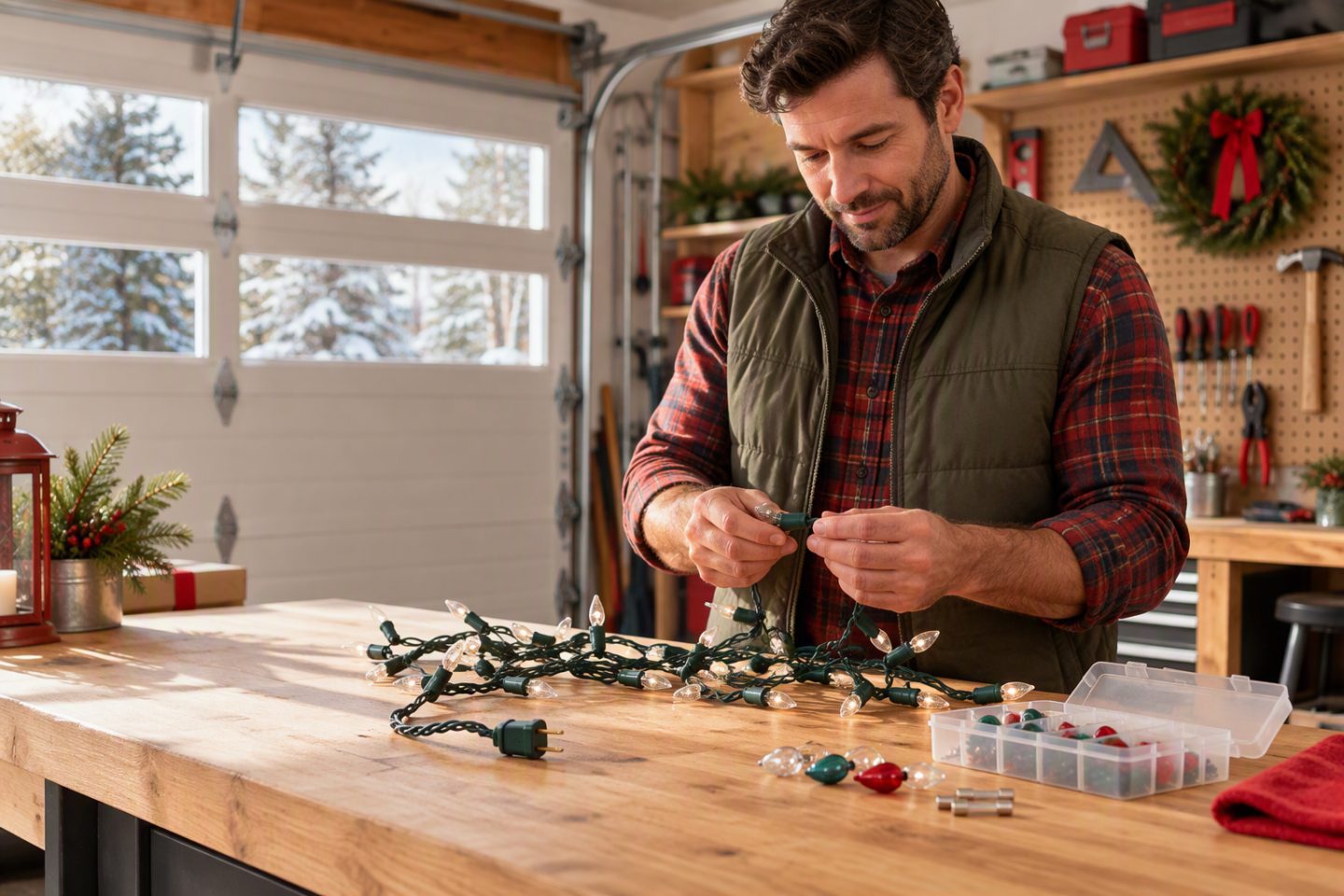
Few holiday frustrations are as common as plugging in a strand of Christmas lights only to find that some, or all, of the bulbs stay dark. The good news is that many light strand problems can be diagnosed and repaired without replacing the entire set. This guide walks through how to identify the problem, test your lights and determine whether a simple repair or full replacement is the better option.
Tools & Supplies
Tools
- Christmas light tester
- Flashlight
- Small screwdriver
- Needle-nose pliers
- Extension cord for testing
Supplies
- Replacement bulbs
- Replacement fuses
- Working light strand packaging (if available)
Before You Start
Always begin troubleshooting with safety in mind.
Safety First
✅ Unplug lights before inspecting bulbs or fuses
✅ Work in a dry area
✅ Replace bulbs and fuses with matching replacements
✅ Inspect the entire strand before restoring power
Never
❌ Handle damaged wiring while plugged in
❌ Replace fuses with incorrect ratings
❌ Force bulbs into sockets
❌ Continue using visibly damaged strands
How to Fix Christmas Lights
1 Identify the Type of Light Failure
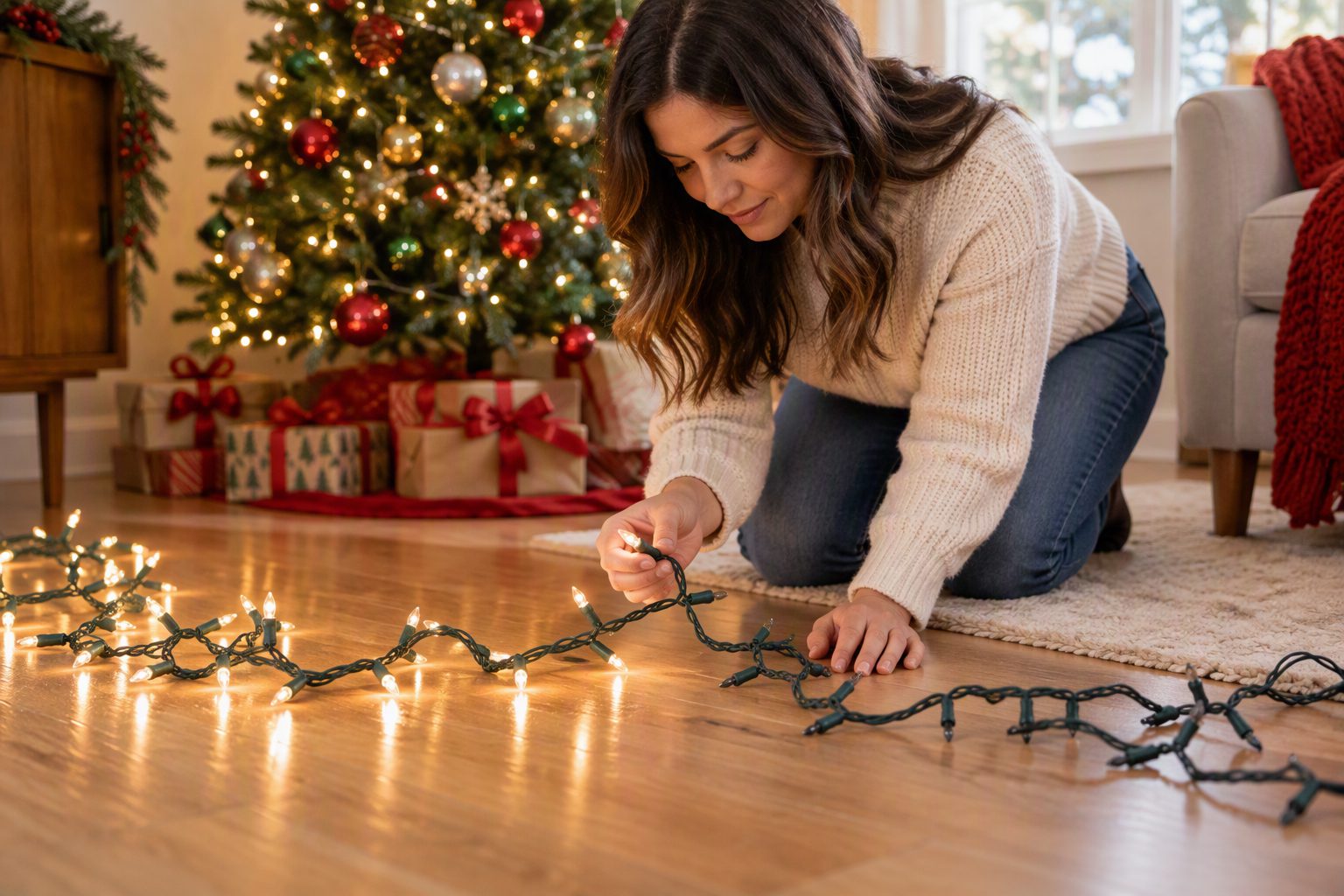
Before fixing anything, determine which problem you’re dealing with.
Full Outage
If the entire strand stays dark:
- Check the outlet
- Inspect the plug
- Check the fuse
- Verify power is reaching the strand
Dead Section
If only part of the strand is dark:
- Look for a loose or failed bulb
- Inspect nearby sockets
- Use a light tester if available
Flickering Bulbs
If lights flicker intermittently:
- Check bulb seating
- Inspect plugs and connectors
- Look for damaged wiring
2 Check the Easy Fixes First
Start with the simplest possibilities before moving on to more involved repairs.
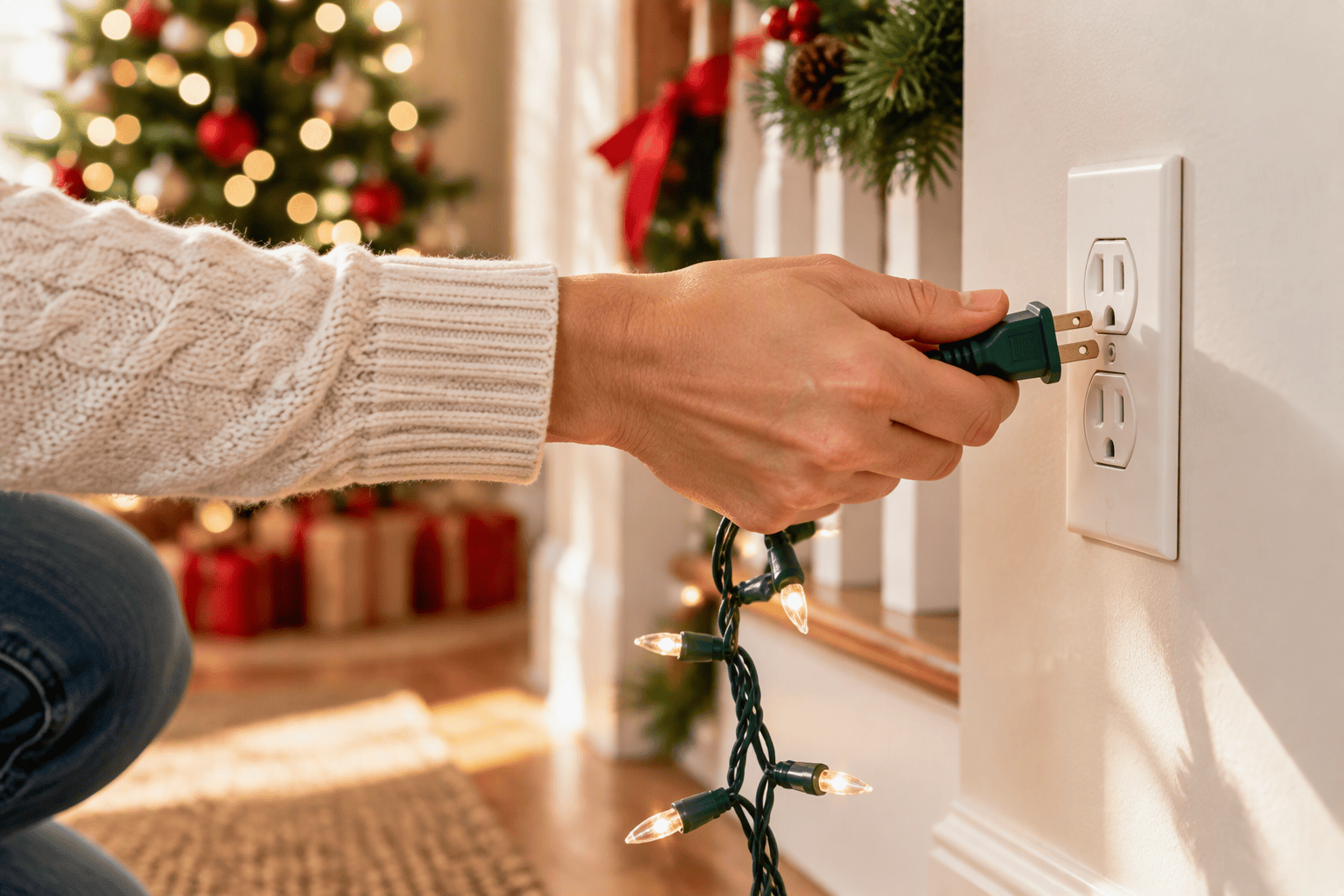
Verify Power
Test:
- The outlet
- The extension cord
- Any timers or switches connected to the strand
Check Connections
Confirm all plugs are fully connected and secure.
Inspect the Strand
Look for:
- Bent prongs
- Damaged sockets
- Cracked insulation
- Pinched cords
A quick visual inspection often reveals obvious problems before testing equipment is needed.
3 Inspect the Bulbs
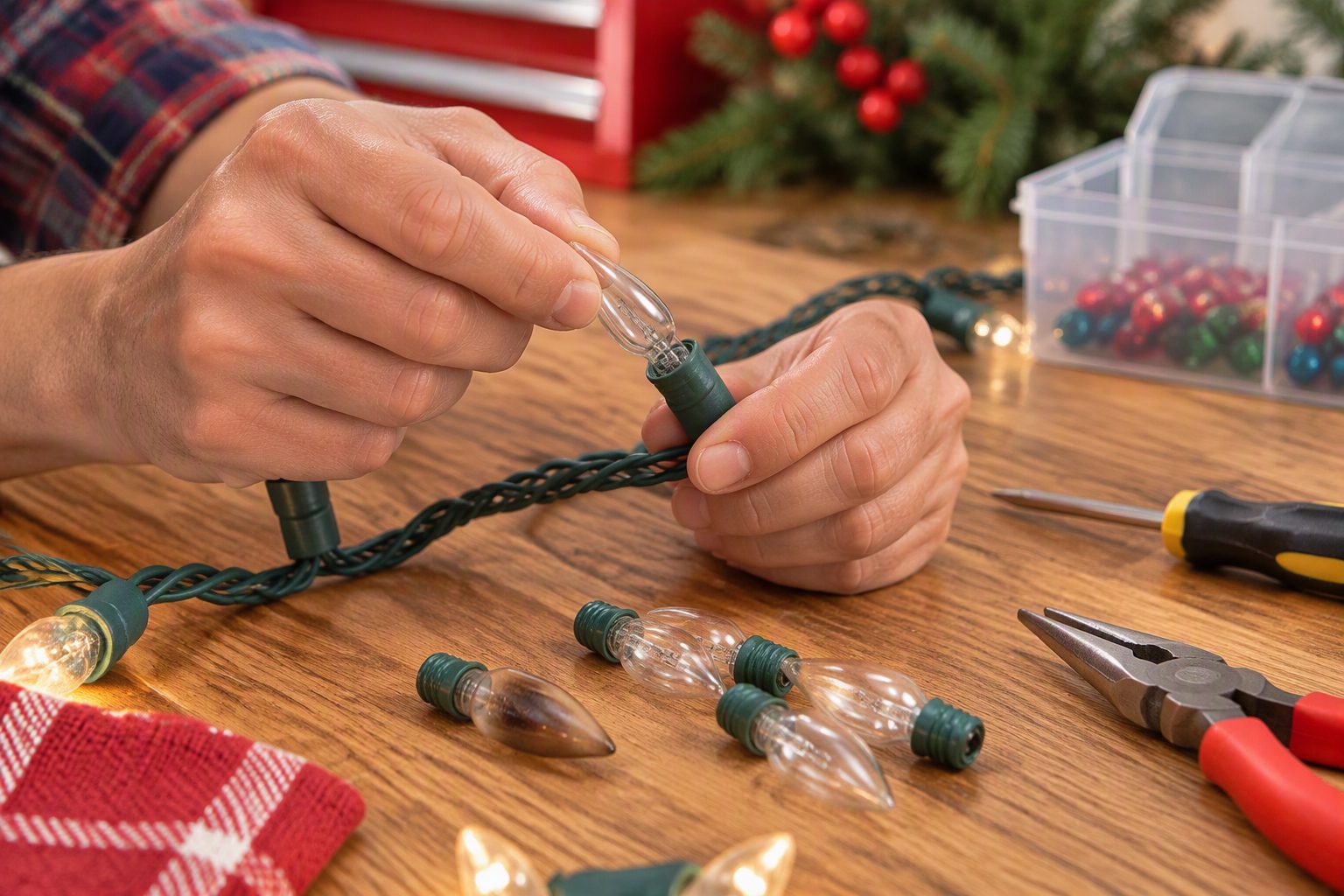
A failed or loose bulb can affect portions of many light strands.
Remove and Inspect Bulbs
Look for:
- Broken glass
- Dark discoloration
- Bent wires
- Loose bases
Choosing the Right Replacement
Match:
✅ Bulb style
✅ Bulb size
✅ Voltage rating (if specified)
✅ Manufacturer recommendations
PRO TIP FROM ACE
4 Test the Fuse
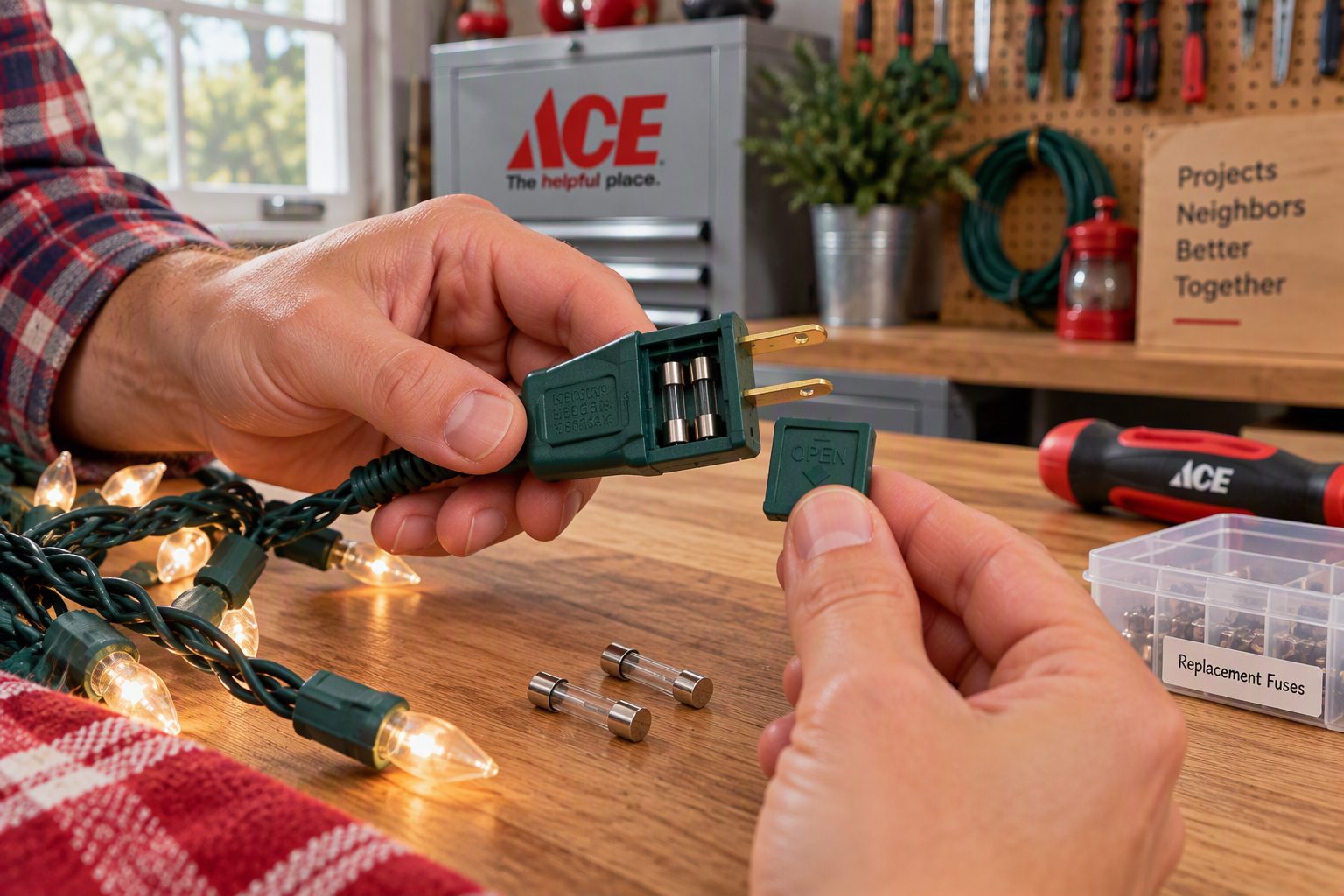
Many modern Christmas light sets include replaceable fuses inside the plug.
A blown fuse can cause an entire strand to stop working.
Locate the Fuse
Look inside the male plug for a small access panel.
Signs of a Blown Fuse
- Dark spots
- Broken internal filament
- Burn marks
Replace With a Matching Fuse
Use the same:
- Fuse size
- Fuse style
- Fuse rating
5 Use a Christmas Light Tester
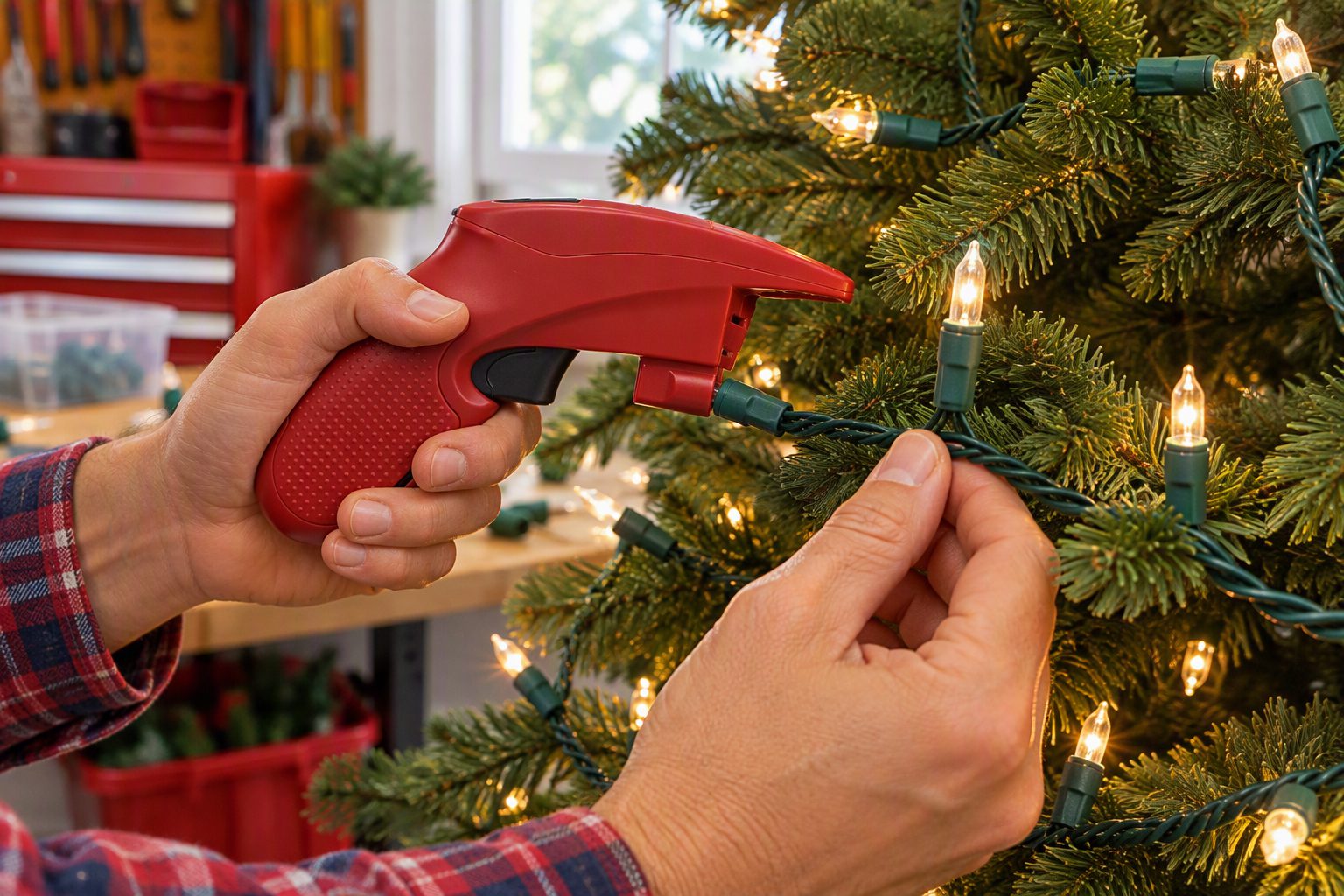
A Christmas light tester can help identify:
- Failed bulbs
- Dead sections
- Faulty sockets
- Electrical interruptions
When a Tester Helps Most
A tester is particularly useful when:
- Visual inspection doesn’t reveal the problem
- Multiple sections have failed
- You aren’t sure which bulb is causing the issue
A testing tool can significantly reduce guesswork compared to replacing bulbs one at a time.
6 Retest the Strand
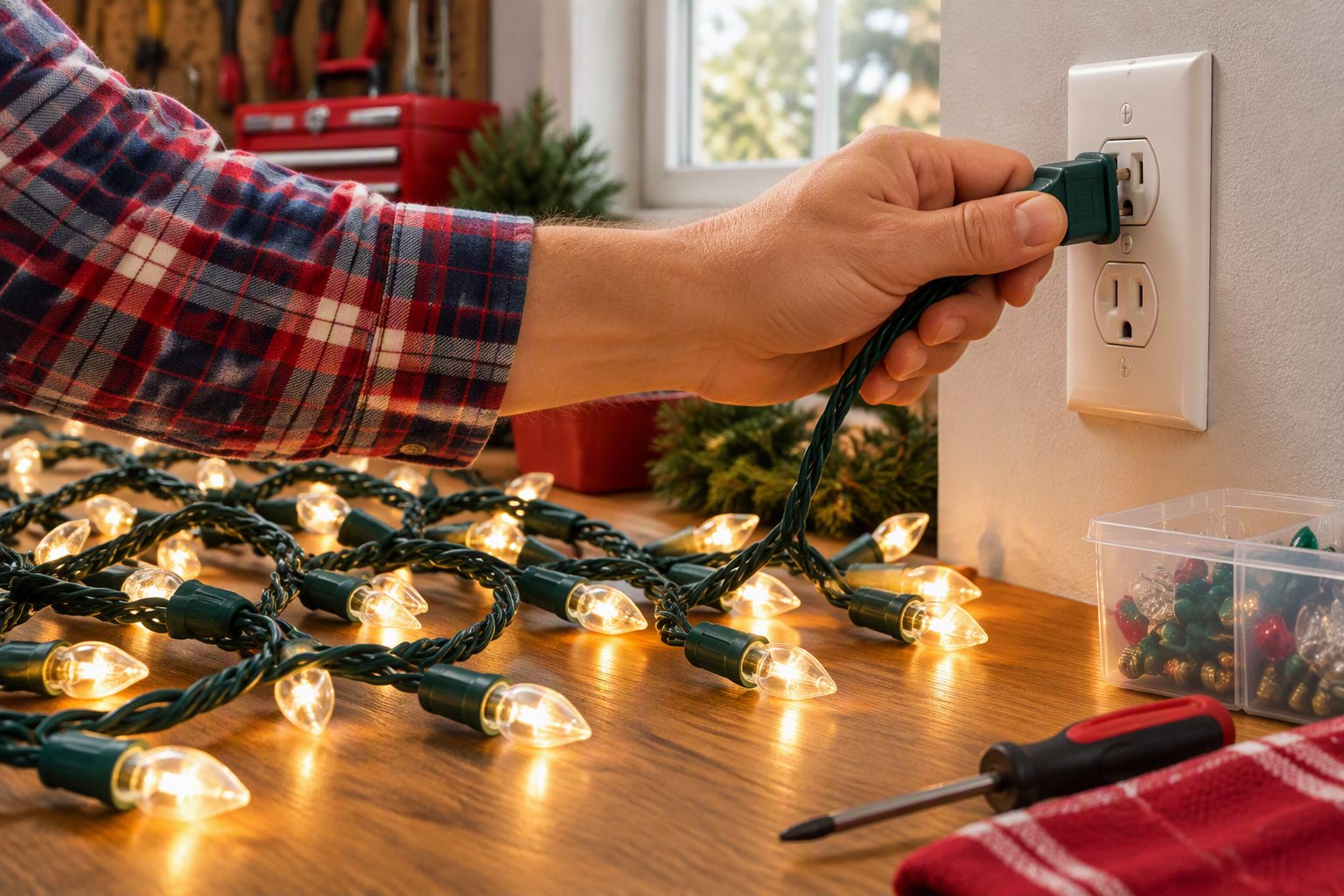
After making repairs:
- Reinstall bulbs securely.
- Close fuse compartments completely.
- Inspect all connections.
- Plug the strand into a known working outlet.
If the lights function normally, your repair is complete.
Troubleshooting Guide
| Problem | Possible Cause | First Fix to Try |
| Entire strand won’t light | Blown fuse or power issue | Check fuse and outlet |
| Section is dark | Failed bulb | Inspect nearby bulbs |
| Lights flicker | Loose bulb or connection | Reseat bulbs and plugs |
| Strand works intermittently | Damaged wiring | Inspect entire strand |
When It's Better to Replace the Strand
Replace the strand if you find:
❌ Frayed wiring
❌ Melted sockets
❌ Burned plugs
❌ Cracked insulation
❌ Repeated electrical failures
Safety Reminder
If wiring damage extends beyond a simple bulb or fuse issue, replacement is usually safer and often more economical.
Maintenance & Storage Tips
To reduce future lighting problems:
✅ Store lights loosely wound
✅ Avoid crimping or pinching cords
✅ Label repaired strands
✅ Test lights before decorating day
✅ Replace worn bulbs before storage
Proper storage helps reduce stress on wiring and sockets during the off-season.
When to Call a Pro
Most holiday light repairs are safe DIY projects.
However, contact a qualified electrician if:
- Household circuits repeatedly trip
- Outlets appear damaged
- You suspect wiring issues inside the home
- Electrical problems extend beyond the holiday lights themselves
Any permanent household electrical problems should be evaluated by a licensed professional.
FAQ
Why did my entire strand stop working?
A blown fuse, failed plug connection or power issue are common causes of a full outage.
How do I know if a bulb is bad?
Look for discoloration, broken glass, loose components or test the bulb with a Christmas light tester.
Can one bulb cause part of a strand to go dark?
Yes. Depending on strand design, a failed bulb can affect multiple lights in the same section. =
Do I really need a Christmas light tester?
Not always, but testers can make troubleshooting easier when the failed bulb isn’t obvious.
When should I throw a strand away?
Replace a strand if you find damaged wiring, burned components or recurring electrical problems.