
Restoring A Thin Lawn
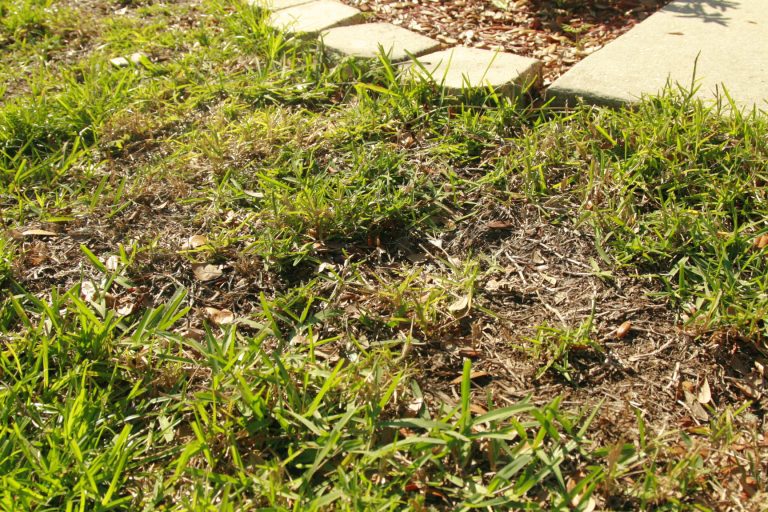
Your lawn can look "professionally kept" without your checkbook looking like you professionally paid for it.
Follow these steps for a greener, richer lawn.
Clear away dead grass and debris
- You can do this with a leaf rake or by renting a power rake if you have a rather large yard. When you’re done with this step, your shoulders might ache and your lawn will actually look worse. But don’t worry – it’s all part of the plan.
Choose some grass seed
- Be sure to get a high-quality weed-free seed blend. Choose the best one for your yard based on how much sunlight and traffic your lawn gets.
Over seed your lawn
- Most of this project will require the use of a lawn spreader. A broadcast spreader throws the seed from the hopper in a circular pattern. A drop spreader works just as it sounds; a 20-inch drop spreader will drop a 20-inch wide path. You generally have more control of where the contents goes when using a drop spreader, but for covering rather large areas, a broadcast spreader makes the most sense. Cover the thinned-out lawn with the seed mix you chose.
Use a starter fertilizer to help new seeds grow healthy
- Check the label to apply at the recommended timing after over seeding. After the fertilizer has been spread, sprinkling peat moss over the lawn can help keep the seed moist and also keep the birds from eating all the seed. Spread it by hand or use a lawn spreader.
Try to keep new seed moist to help it germinate
- As the new grass takes hold, deep, infrequent watering with a sprinkler is more effective than short, daily sprinklings. That’s because the roots of weeds grow only in the first two to three inches of soil.
Within about two weeks, you’ll begin to see the new grass coming up. You’ll also see some bare spots, which you’ll want to add seed to by hand and cover with some peat moss to fill in. After about a month the new grass will be able to stand up to mowing. Set your mower to a higher setting, leaving about 2 to 3-inches of blade height on the grass. After this initial cut, you can go back to your usual mowing height.
To maintain your healthy lawn, follow a four step fertilization schedule:
- Early Spring (Feb.-April) – Use a “Step 1” product or fertilizer with crabgrass preventer. This will help your lawn with early growth and root development.
- Late Spring (April-June) – Weeds are most actively growing around this time. A weed and feed fertilizer helps prevent weeds off your turf.
- Summer (June-Aug.) – Lawn food helps your grass stand up to drought, traffic, heat stress and disease.
- Fall (Oct.-Nov.) – A winterizing fertilizer helps grass store up nutrients and gives roots a little boost. This will help your lawn be even healthier and easier to care for next spring.
Always follow manufacturer's instructions before using any product.
For more helpful tips and advice, visit a neighborhood Ace or visit us online at acehardware.com
These “How-To’s” are provided for informational purposes only. The information contained in Ace Hardware’s “how-to” videos and/or articles is intended to provide general guidelines for projects in and outside of your home. Tools, products, materials, techniques, building codes, local regulations are continually changing. Ace Hardware assumes no responsibility for the accuracy of the information contained herein and disclaims any liability for the omissions, errors or the outcome of any project. It is the responsibility of the viewer to ensure compliance with all applicable laws, rules, codes and regulations for a project and the product being used. The viewer must always take proper safety precautions and exercise caution when taking on any project or using materials of said project. If you have any questions, concerns, or doubts regarding any element of what is displayed in the videos and/or articles, contact a licensed professional.