Why Choosing the Right Bird Seed Matters
Orioles. Blue jays. Finches. Cardinals…When it comes to the beauty and diversity of wild birds you can see feeding in your backyard, the possibilities are endless. It just comes down to the food you pick.
Using these steps below, you’ll know what your feathered friends need when it comes to healthy, fortified nutrition or a fun snack that’ll keep them coming back for more.

How to pick the right bird seed
1 Start with Essential Nutrients
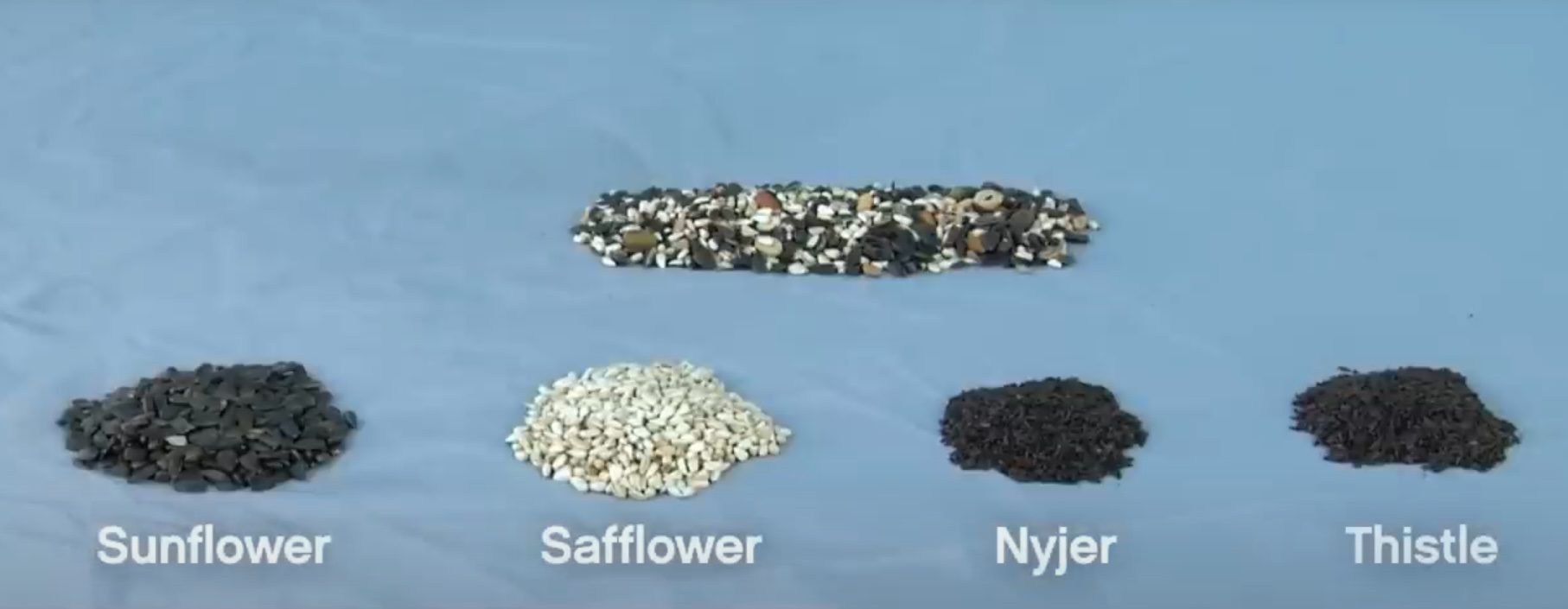
Whatever mixture you buy, the best blends include some combination of sunflower, safflower, nyjer and thistle.
PRO TIP FROM ACE
2 Choose a Fruit and Nut Blend
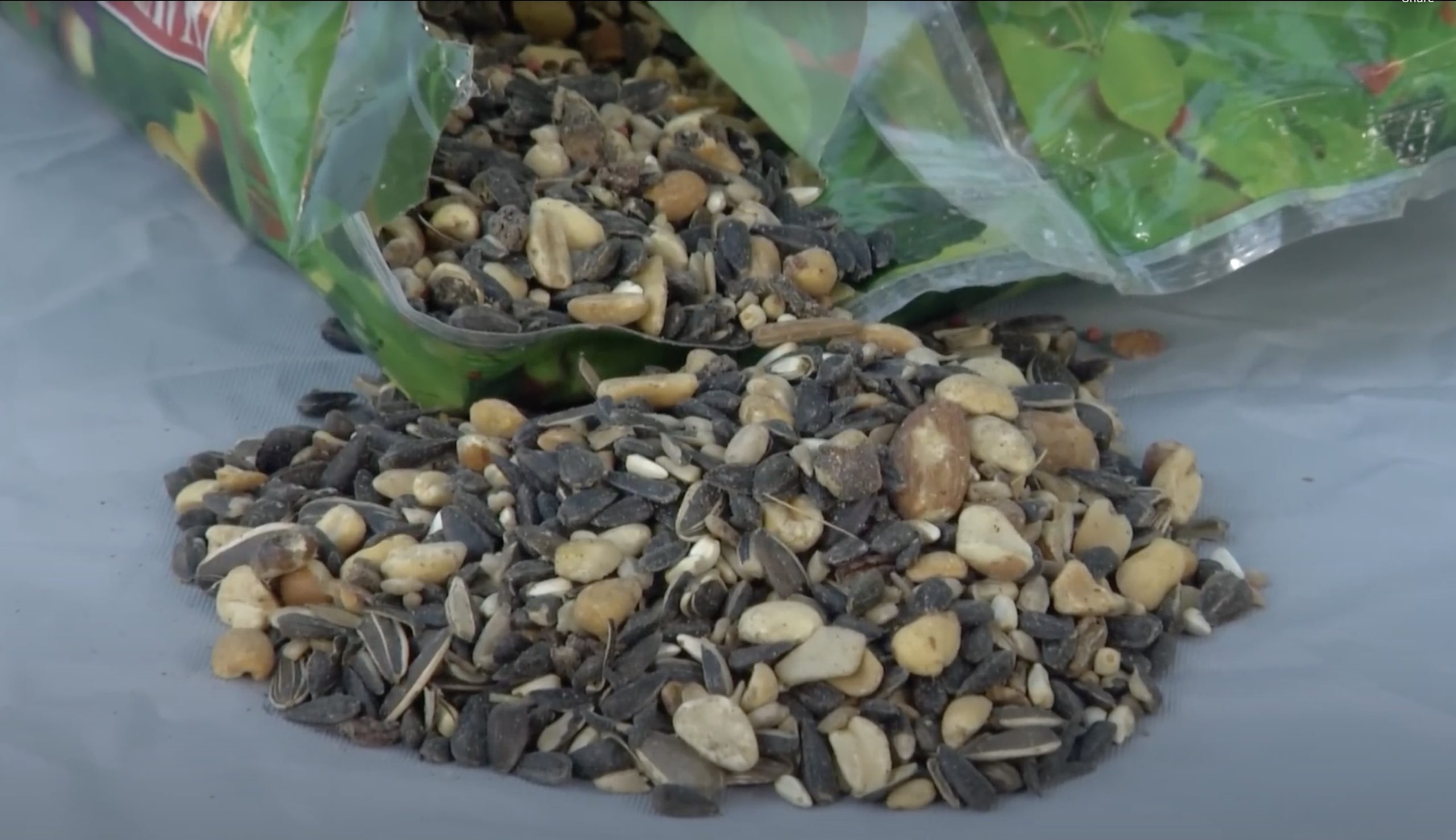
Get even more value when you select a blend with fruits and nuts like pistachios, raisins, cherries, pumpkin seeds, or peanuts. This helps birds stay healthy and keep their vibrant colors.
3 Favor Premium Over Economy Blends
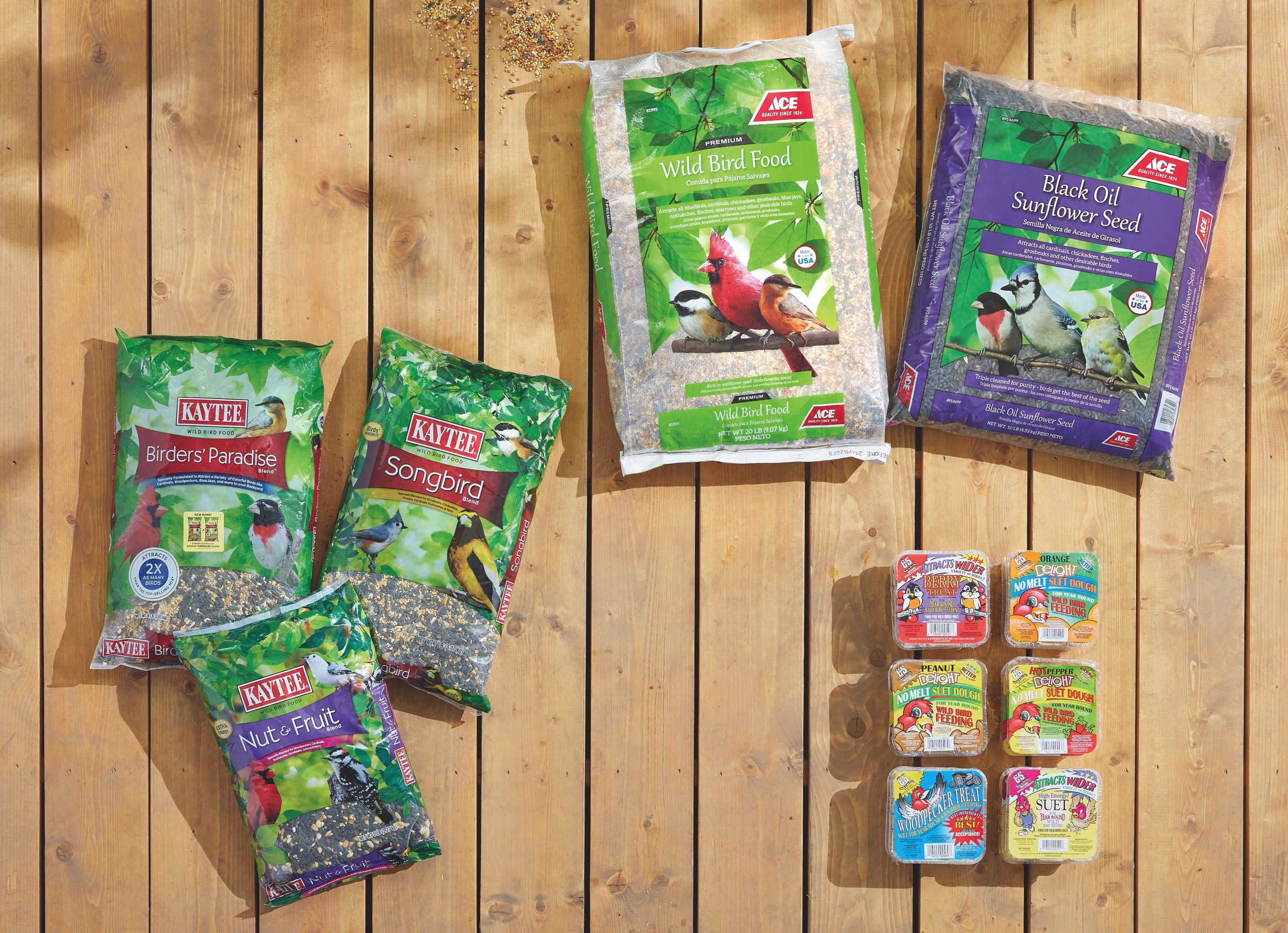
The economy mixes contain fillers like red millet, wheat, cracked corn, and peanut haulms. Birds are more likely to pick out these filler ingredients, leaving a pile of waste on the ground beneath your feeder.
4 Which Birds Do You Want to Attract?
Depending on the bird you want in your backyard, you will need to consider the food that fits that bird’s nutritional needs. Below is a list of foods and the birds they appeal to:
- Black oil sunflower seed is high in fat with a thin shell that’s easy to get open, making it a popular choice for many birds. [Pro tip: The high levels of fat in sunflower seed fills birds with energy to sustain colder climates.]
- Safflower: cardinals, grosbeaks, chickadees, doves, sparrows [Pro tip: Safflower contains a lot of protein, fat and fiber to give songbirds proper nutrition.]
- Corn: cardinals, grosbeaks, jays, ducks, grouse, pheasants, quail [Pro tip: Avoid corn treated with fungicide as it may be marked in red dye not edible for birds.]
- Peanuts: jays, chickadees, woodpeckers
- Nyjer and Thistle: finches, indigo bunting [Pro tip: The oil found in nyjer and thistle serves as an excellent energy source.]
- Suet: nut blends for woodpeckers, orange flavors for orioles, seed blends for songbirds [Pro tip: Suet provides both fat and protein great for freezing winters or migrating and nesting seasons.]
- Nectar: hummingbirds and orioles [Pro tip: Planting trumpet-shaped flowers will serve as a draw for hummingbirds and orioles.]
- Nectar, Jelly, Sliced Oranges: orioles
Other Tips for Creating a Bird Oasis

Setting up for wild birds involves more than just supplying the right nutrition. When thinking about the supplies needed to care for these birds, you can hang a few birdhouses throughout your property to provide shelter in the winter.
A clean water source like a bird bath can keep birds hydrated. And having clean, squirrel-proof feeders helps prevent the spread of disease. Once you’ve gone through these basic steps, you can sit back and enjoy the beauty of nature right in your backyard!